




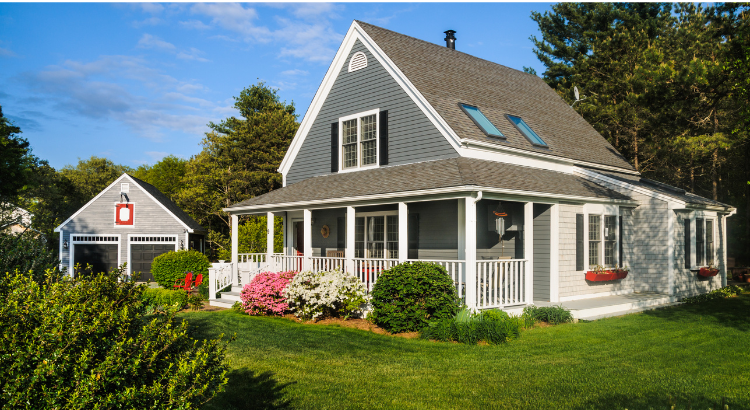
When you think about buying a newly built home, you might assume the price is fixed and the builder has little reason to negotiate. But in a changing housing market, that isn't always the case.
Builders operate differently from traditional homeowners. While an individual homeowner may decide to wait for a better offer, a builder with completed homes sitting on the market has ongoing expenses and invested capital to consider. Selling those homes can become an important priority.
For homebuyers exploring new construction on Cape Cod, understanding this difference could open the door to opportunities worth exploring.
Why Builders May Be More Motivated to Sell
Building a home requires a significant investment in land, labor, materials, financing, and other construction expenses. Once a property is complete, the builder still has costs to manage while waiting for a buyer.
A finished home that remains unsold ties up money that could otherwise be used for another project. Depending on the circumstances, carrying costs, financing expenses, property taxes, and maintenance can add to the pressure.
Individual homeowners often have more flexibility. If they aren't satisfied with the offers they receive, they may choose to take their property off the market and wait.
Builders, on the other hand, may have multiple homes to sell and future projects to fund. That difference can create an incentive to consider offers or buyer incentives they might not have offered in a stronger market.
Of course, every builder's situation is different. The important takeaway is that the advertised price may not tell the whole story.
What the Latest Housing Market Numbers Tell Us
Recent national housing data suggests that builders are responding to affordability challenges and slower buyer demand.
According to the National Association of Home Builders' October 2026 report:
65% of builders were offering sales incentives.
43% of builders reported cutting prices, the highest share recorded between 2020 and 2026.
Builders that reduced prices reported an average reduction of approximately 6%.
The National Association of REALTORS® also reported that pending existing-home sales fell 7.3% in September 2026 compared with the previous month and 11.3% compared with September 2025.
These figures reflect national market conditions, not Cape Cod alone. However, they highlight a broader challenge: higher borrowing costs and affordability concerns can make it harder for buyers to move forward.
For buyers considering new construction, this environment makes it worthwhile to investigate what individual builders are offering in their communities.
What Could You Negotiate When Buying a New Home?
Negotiation doesn't always mean asking the builder to lower the purchase price. Sometimes, the most valuable opportunity comes from reducing your upfront expenses or improving the overall terms of the purchase.
Here are four possibilities worth discussing.
1. A Lower Purchase Price
Some builders may be willing to reduce the price of selected homes, particularly completed properties that have remained unsold.
A price reduction can lower the amount you need to finance and may reduce your monthly principal and interest payment. The actual savings will depend on your mortgage terms, down payment, taxes, insurance, and other costs.
2. Mortgage Rate Assistance
Depending on the builder's available incentives and your lender's requirements, you may be able to negotiate a temporary or permanent mortgage rate buydown.
Lowering your interest rate can make a meaningful difference to your monthly payment. Be sure to compare the total cost of the financing arrangement and understand whether the rate reduction lasts for a limited period or the life of the loan.
3. Help With Closing Costs
Closing costs can add a substantial amount to the cash you need to complete a home purchase.
A builder may offer eligible closing-cost assistance, subject to the terms of the promotion, your loan program, and lender restrictions. This could help preserve some of your savings for moving expenses, furnishings, or other priorities.
4. Upgrades and Additional Features
Some builders may offer upgraded appliances, enhanced finishes, landscaping, or other features as part of a sales incentive.
These extras can improve the value of your purchase, particularly if they are features you would otherwise pay to add after closing. Compare the actual value of the upgrades with what you would pay for them independently.
The key is to evaluate the entire package, not just the headline price. A lower-priced home isn't automatically the better deal if another property includes valuable incentives or has lower expected ownership costs.
Why Completed Homes Deserve a Closer Look
If you're exploring new construction, don't limit your search to homes that are still being built or communities that have just opened.
Look for completed homes that are ready for occupancy, sometimes called quick move-in homes or spec homes. These properties were built before a specific buyer committed to purchasing them.
Because the builder has already invested in completing the home, an unsold property may present a different negotiating opportunity than a home that hasn't yet been built.
That doesn't guarantee a discount. Availability, demand, the builder's financial position, and the property's pricing all matter. However, comparing completed homes with upcoming construction can help you understand which option offers the best overall value.
What This Means for Cape Cod Homebuyers
Buying a home on Cape Cod comes with considerations that go beyond the purchase price.
Location, access to beaches and waterways, commuting needs, property condition, seasonal use, and long-term ownership costs can all influence which home is right for you. New construction also requires careful consideration of the property's specifications, warranties, completion status, and any applicable homeowners association or condominium fees.
If you're considering a newly built home, it helps to look at the bigger picture:
Compare similar properties. Evaluate pricing, location, features, and competing resale homes before deciding whether a new-construction property represents good value.
Ask about available incentives. Find out whether the builder is offering price adjustments, financing assistance, closing-cost contributions, or upgrades.
Review the terms carefully. Incentives may have deadlines, financing conditions, restrictions, or other requirements.
Look beyond the monthly payment. Consider taxes, insurance, utilities, maintenance, association fees, and other ongoing expenses.
Get independent representation. Your own real estate agent can help you evaluate comparable properties, understand the builder's offer, and navigate negotiations in your best interest.
Builder incentives can change, and not every community will offer the same opportunities. The right approach is to understand the local market and make decisions based on your budget, priorities, and long-term plans.
The Bottom Line: Ask What Value Is Available
A changing housing market doesn't necessarily mean every home is a bargain. But it can create opportunities for buyers who know where to look and what questions to ask.
Builders with completed homes to sell may have reasons to negotiate that individual homeowners don't. For buyers, that makes new construction worth exploring, especially when comparing available homes, incentives, and total ownership costs.
If you're thinking about buying on Cape Cod, you don't have to navigate those choices alone.
Let's explore your options.
Contact Lisa Parenteau and the Lisa Sells Cape Cod Team to discuss your homebuying goals, compare available properties, and discover what opportunities may fit your needs.
Whether you're searching for a year-round home, a second home, or a property that supports your next chapter on Cape Cod, the right strategy starts with understanding your options.
Market data referenced in this article reflects national reports available in October 2026. Builder incentives and negotiation opportunities vary by property, location, and individual circumstances. This article is for informational purposes and should not be considered financial or mortgage advice.
MORE INFO: www.keepingcurrentmatters.com (resource)